
CASE
SUMMARY
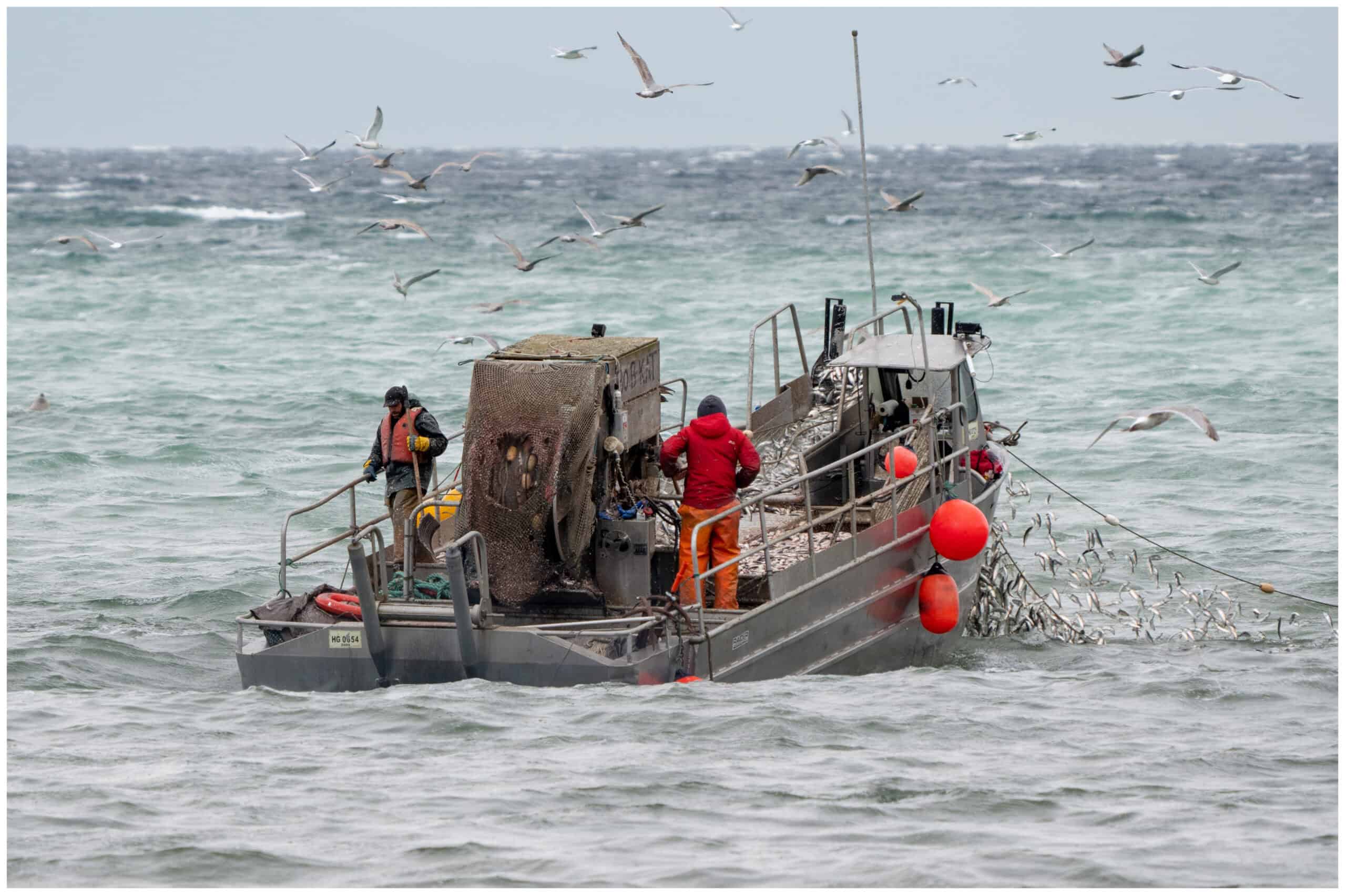
A Final Rule promulgated by the National Oceanic and Atmospheric Administration requires fishing companies to pay for government monitoring of their herring catch, but no statute authorizes the agencies to obtain funding from regulated parties. Nevertheless, in August 2022, the U.S. Court of Appeals for the D.C. Circuit invoked the Chevron precedent in Loper Bright v. Raimondo, ruling that NOAA Fisheries’ Final Rule was allowable under an expansive reading of the Magnuson-Stevens Act. Chevron required federal judges to defer to federal agencies’ reasonable interpretations of ambiguous statutes.
NCLA’s first amicus brief—co-authored by founder Philip Hamburger—made important arguments against Chevron deference that the Court had never evaluated. First, it pointed out that deference requires judges to abandon their duty of independent judgment. This ancient duty is inherent in the office of being a judge and carefully protected in the Constitution by life tenure, a rule against salary diminishment, and other protections. Yet Chevron told judges they must defer instead in their legal rulings to members of the Executive Branch who lacked independence.
Second, the brief argued that Chevron deference denied due process of law by requiring judicial bias in favor of one party to a case—the powerful government, no less—and against the other party in court. This systematic bias would not be tolerated in any other context, but it had been polluting Chevron cases for nearly four decades. The brief also explained why certain excuses for Chevron bias failed, why stare decisis could justify retaining deference, and why the Court needed to repudiate Chevron deference altogether, rather than try to shore it up at the margins.
In June 2024, the U.S. Supreme Court overturned the Chevron doctrine and vacated the First Circuit’s decision, a monumental victory for NCLA and the country as a whole.